


Hit Enter to Search or X to close
The Plays That Lost the Dominican Republic the WBC Semifinal | USA vs D.R. EXPLAINED
Team USA’s 2–1 World Baseball Classic semifinal win over the Dominican Republic came down to more than just two home runs. A few key baserunning decisions by Fernando Tatis Jr., missed opportunities on the bases, and an expanding strike zone in the final innings all helped swing the game in the United States’ favor in one of the tournament’s most intense matchups.
The Plays That Lost the Dominican Republic the WBC Semifinal | USA vs D.R. EXPLAINED
The World Baseball Classic semifinal between Team USA and the Dominican Republic looked like the matchup baseball fans dream about.
MVPs everywhere. Cy Young winners on the mound. All-Star hitters stacked one through nine.
And in the end?
A handful of 90-foot decisions and a shifting strike zone helped decide a 2–1 game.
Story Breakdown
Team USA and the Dominican Republic met in a loaded World Baseball Classic semifinal featuring two rosters filled with superstar talent.
The Dominican lineup came in red hot, averaging more than 10 runs per game in the tournament.
But Team USA pitching had other ideas.
The Dominican Republic struck first when Junior Caminero launched a solo homer, giving them a quick 1–0 lead. From there, Paul Skenes and the U.S. pitching staff locked things down, keeping one of the most dangerous offenses in the tournament from doing any more damage.
On the other side, Team USA got just enough offense.
Gunnar Henderson tied the game with a solo shot, and shortly after, Roman Anthony delivered another solo homer that put the United States ahead 2–1.
That score held the rest of the night.
And from that point forward, every baserunning decision and every pitch mattered.
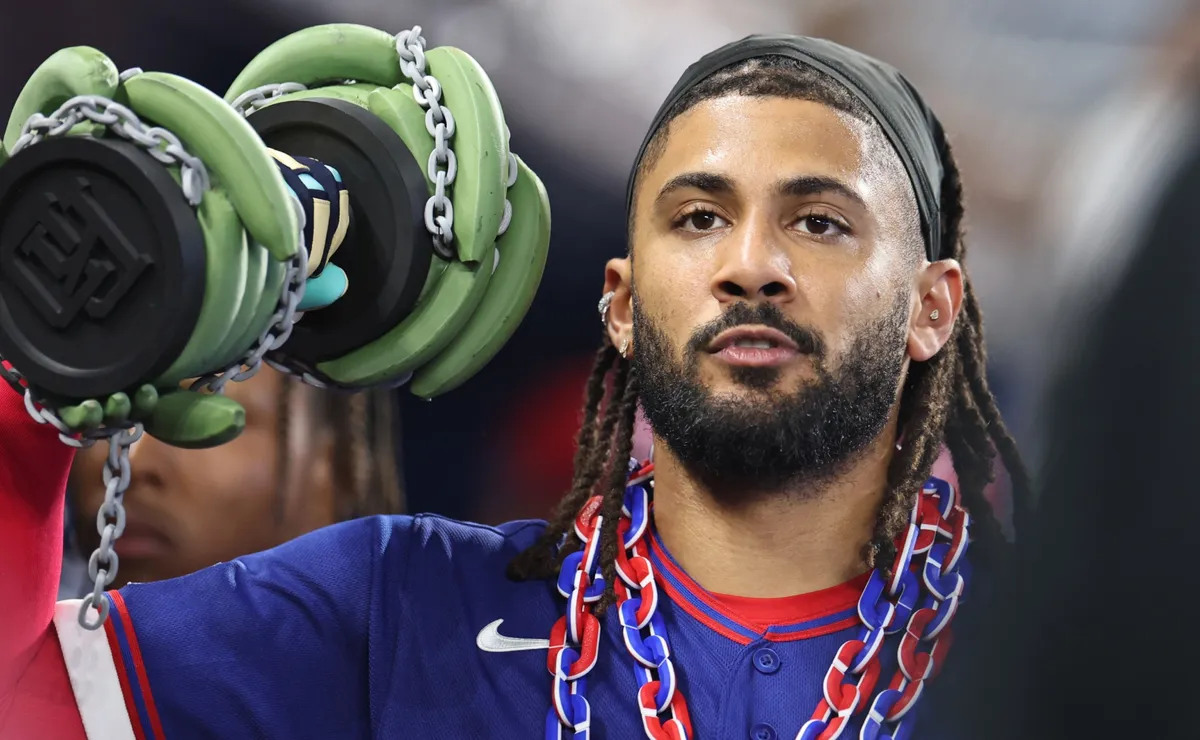
Several of the game’s biggest moments ended up involving Fernando Tatis Jr.
Reaction & Commentary
The First-to-Third Gamble
Bottom of the third inning.
Dominican Republic leads 1–0. Two outs. Fernando Tatis Jr. on first.
Ketel Marte lines a single into right field.
Tatis decides he’s going first to third.
The problem is who’s fielding the baseball.
Aaron Judge charges it cleanly, sets his feet, and unleashes an absolute laser to third base.
Tatis is out.
Inning over.
And Juan Soto never even gets a chance to swing the bat.
That’s a tough trade in a one-run game. Second base with Soto coming up is already a great situation. Running into the third out removes your best hitter from the equation entirely.
The 90 Feet He Didn’t Take
Now jump ahead to the fifth inning.
Tatis reaches again with one out and the Dominican Republic still stuck on one run.
A base hit is lined into the outfield.
This time, instead of being aggressive, Tatis stays at second.
In that situation, elite baserunners usually push for third.
Runner on third base with one out changes the entire inning. Sac flies, wild pitches, and infield grounders suddenly become scoring opportunities.
By stopping at second, the Dominican Republic now needs another full hit.
The next batter, Juan Soto, chops a ball up the middle.
Bobby Witt Jr. turns a clean double play.
Rally over.
If Tatis had been standing on third instead of second, the entire inning might play out differently.
The At-Bat With Runners In Scoring Position
Later in the game, Tatis gets another big opportunity.
Team USA’s pitching plan against him was pretty clear:
Fastballs up around the letters.
Breaking balls that start there and fall out of the zone.
To beat that approach, the key is winning the count first. Lay off the chase pitches and force the pitcher back into the strike zone.
But Tatis expands.
He chases elevated fastballs and has to protect against breaking balls that tunnel off that same plane.
The at-bat ends on the pitcher’s terms.
Another opportunity gone.
The Strike Zone Changes Late
For most of the game, the bottom of the strike zone was pretty consistent.
Low pitches were balls.
Hitters knew what they were working with.
Then the eighth inning arrived.
Juan Soto stepped in with a chance to tie the game. The pitcher went low, below where strikes had been called all night.
Soto read it as a ball.
Strike three.
Replay angles showed the pitch sitting under the zone that had been called earlier.
Then it happened again in the ninth.
Two outs. Tying run on third. Full count.
Mason Miller fires a slider that dives low. Geraldo Perdomo checks off.
Strike three.
Game over.
Two late at-bats ended on low strikes that hadn’t been called earlier in the game.
Final Take
When you break the game down, the difference between Team USA and the Dominican Republic wasn’t talent.
Both rosters were stacked.
It came down to small moments.
Team USA got its two swings from Henderson and Anthony.
Their defense made the key plays, including Aaron Judge’s throw and Bobby Witt Jr.’s double play.
Their pitching executed the plan and benefited from a slightly expanded zone late.
For the Dominican Republic, a few decisions proved costly.
Fernando Tatis Jr. ran into the third out in front of Juan Soto.
He passed on a chance to take third base in the fifth.
He expanded the zone in a big at-bat.
And when the Dominican lineup finally worked key late counts, the strike zone shifted.
In a one-run elimination game between teams this talented, that’s all it takes.
One decision.
One extra 90 feet.
One pitch at the bottom of the zone.
That’s baseball.

.svg)






Get weekly updates
*We’ll never share your details.
Follow us — @baseballauthority







Join Our Newsletter
Get a weekly selection of curated articles from our editorial team.